

Graham Associates Receives Texas Outstanding Civil Engineering Achievement Award for National Medal of Honor Museum
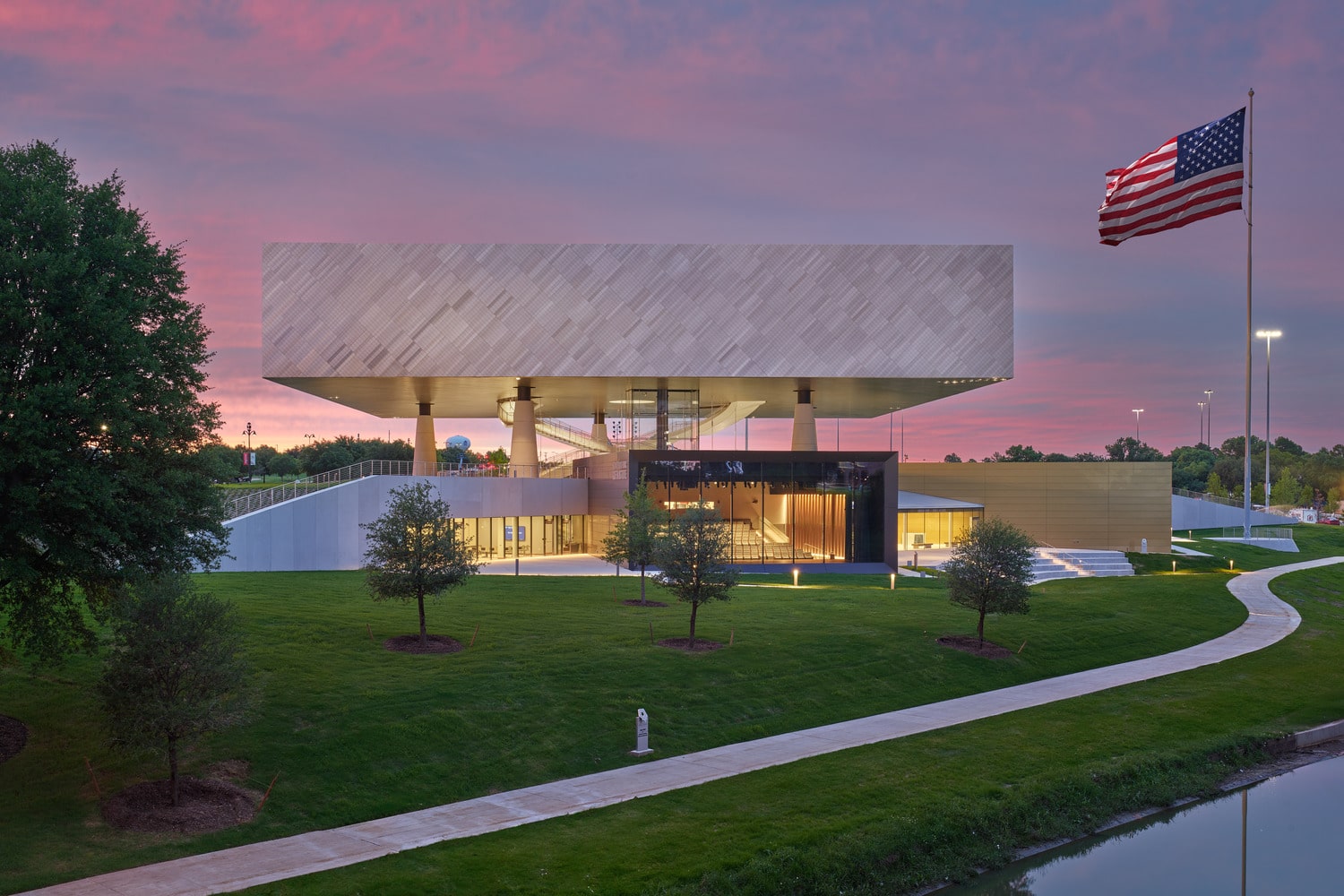
Graham Associates received the Texas Outstanding Civil Engineering Achievement (Texas OCEA) Award from the American Society of Civil Engineers (ASCE) Texas Section for its work on the National Medal of Honor Museum in Arlington, Texas. The award was presented during ASCE Texas CECON 2026 Civil Engineering Conference, held September 16-18 in Corpus Christi.
The Texas OCEA Award recognizes completed projects that demonstrate significant contributions to civil engineering progress and society as a whole. The recognition celebrates the engineering behind a museum of national significance dedicated to preserving and sharing the stories of Medal of Honor recipients.
Graham Associates, now part of Parkhill, provided civil engineering and surveying services for the museum. The team is proud to celebrate this recognition alongside the museum, project partners, and community.
“Receiving the Texas OCEA Award is a tremendous honor for everyone who helped bring the National Medal of Honor Museum to life. The engineering challenges made this a remarkable project for our team, but what makes it truly special is its purpose,” said Parkhill Chief Strategy Officer of Engineering and former Mayor of Arlington Jeff Williams. “Arlington is now home to a national destination that honors extraordinary courage and sacrifice, and we are proud that our work helped create a place that will serve the city, our state, and the nation for generations.”
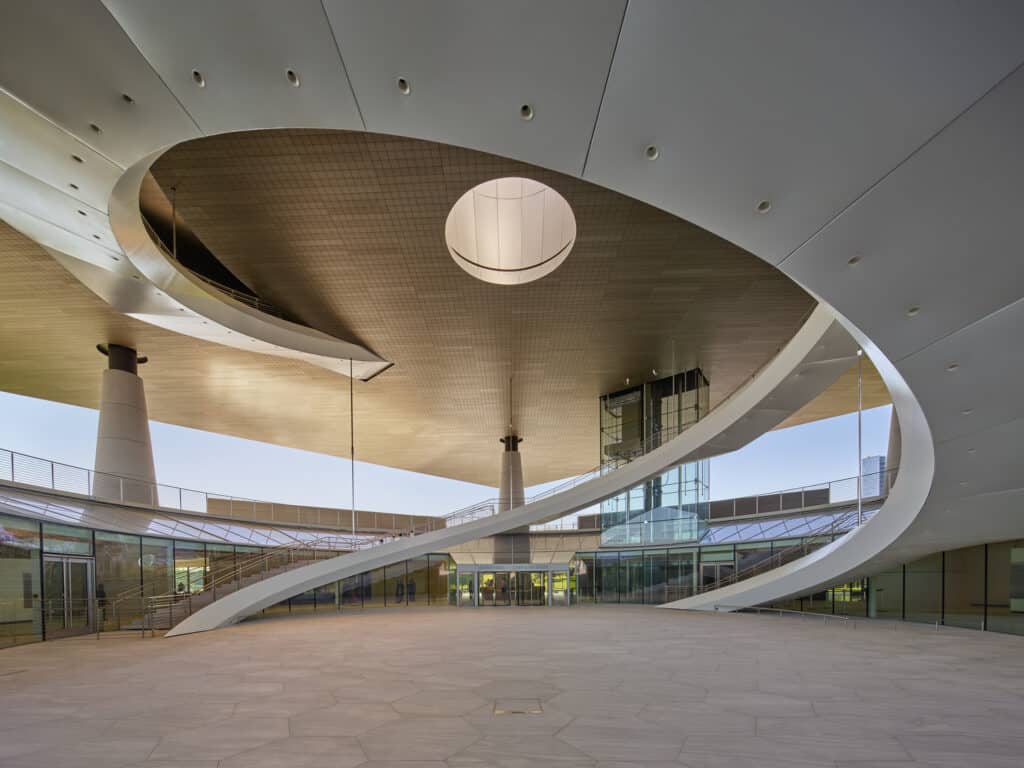
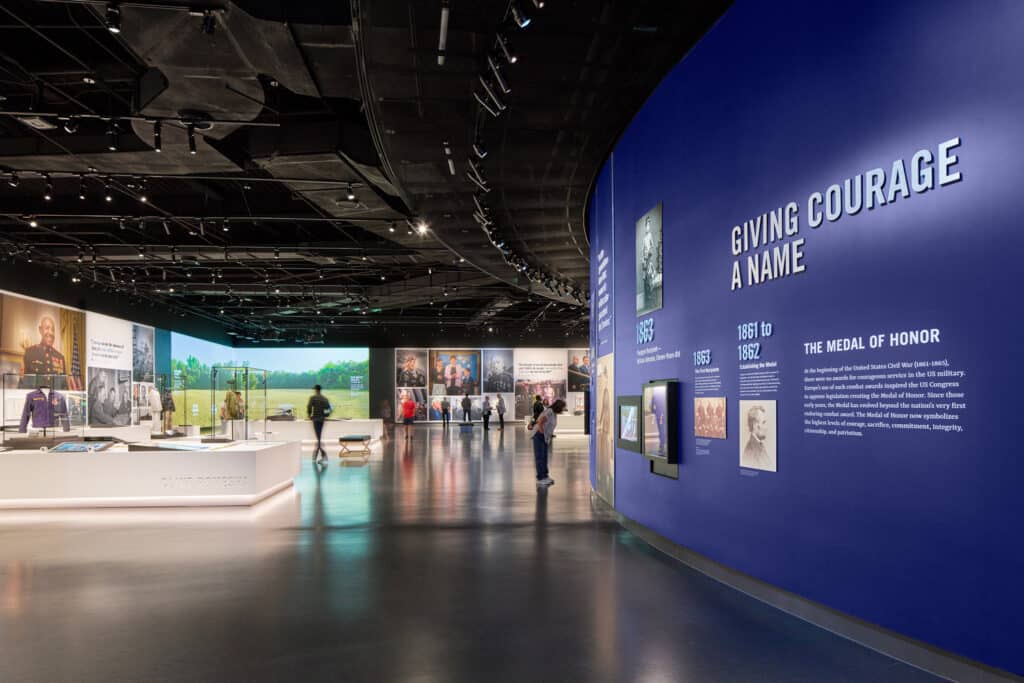
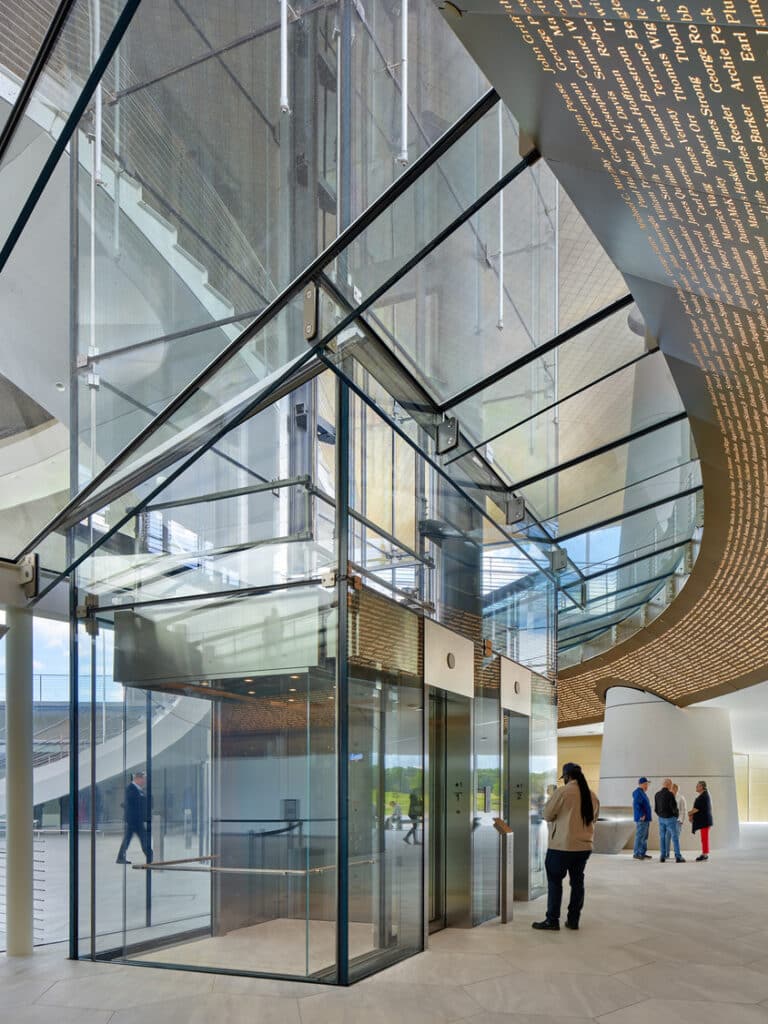
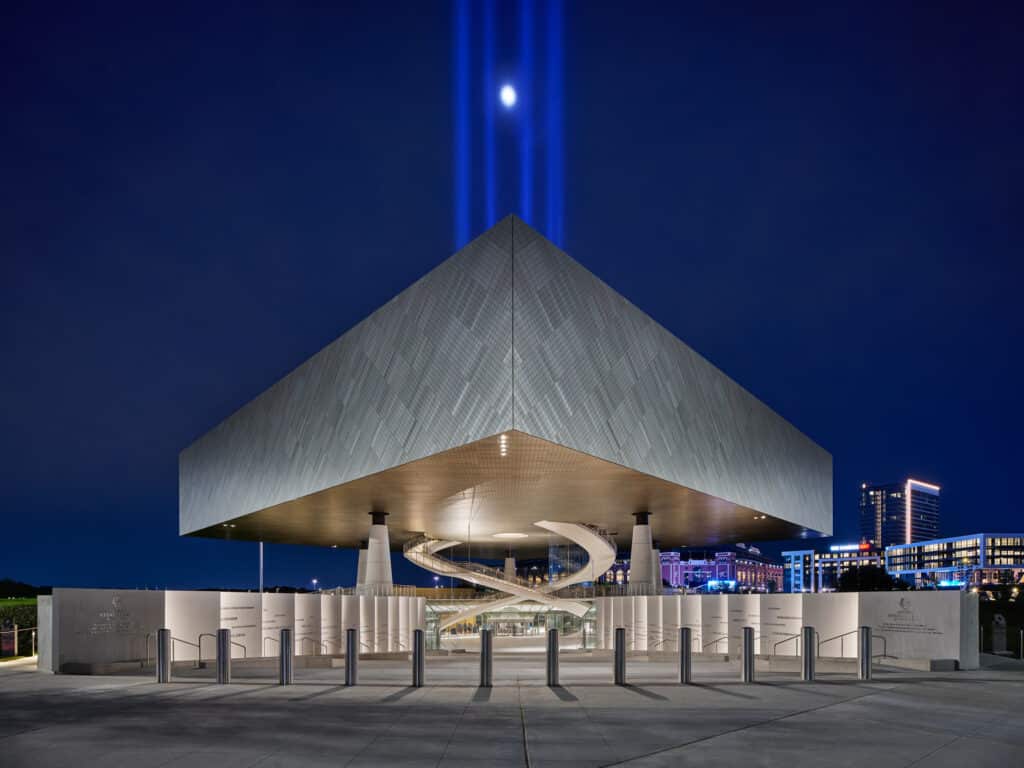
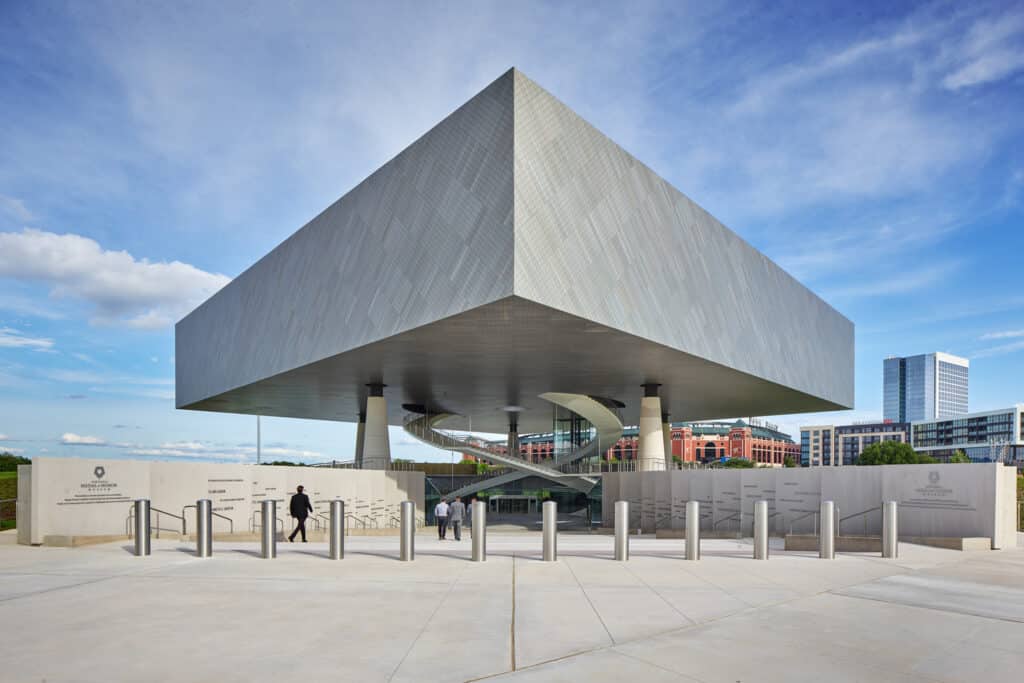
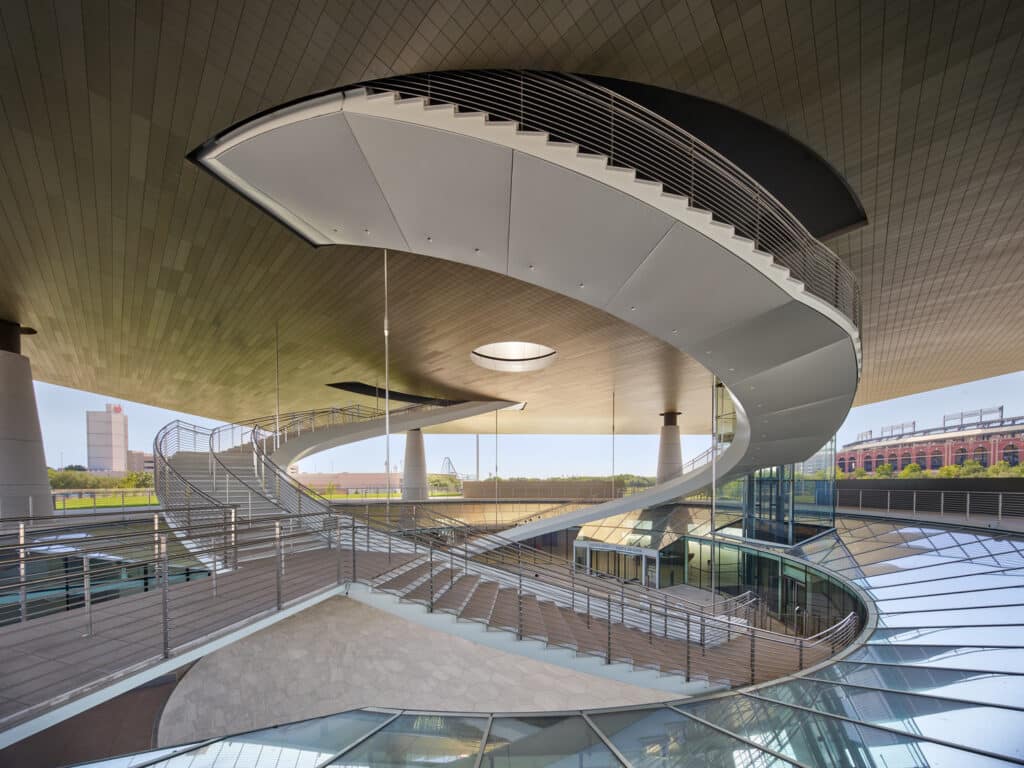
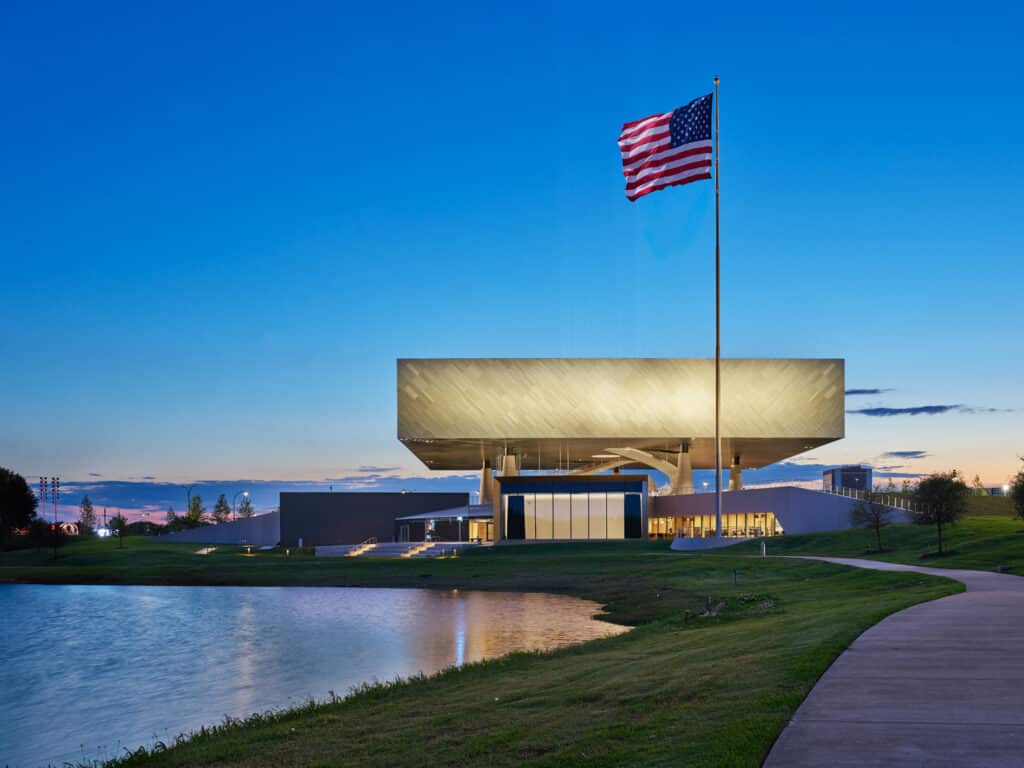
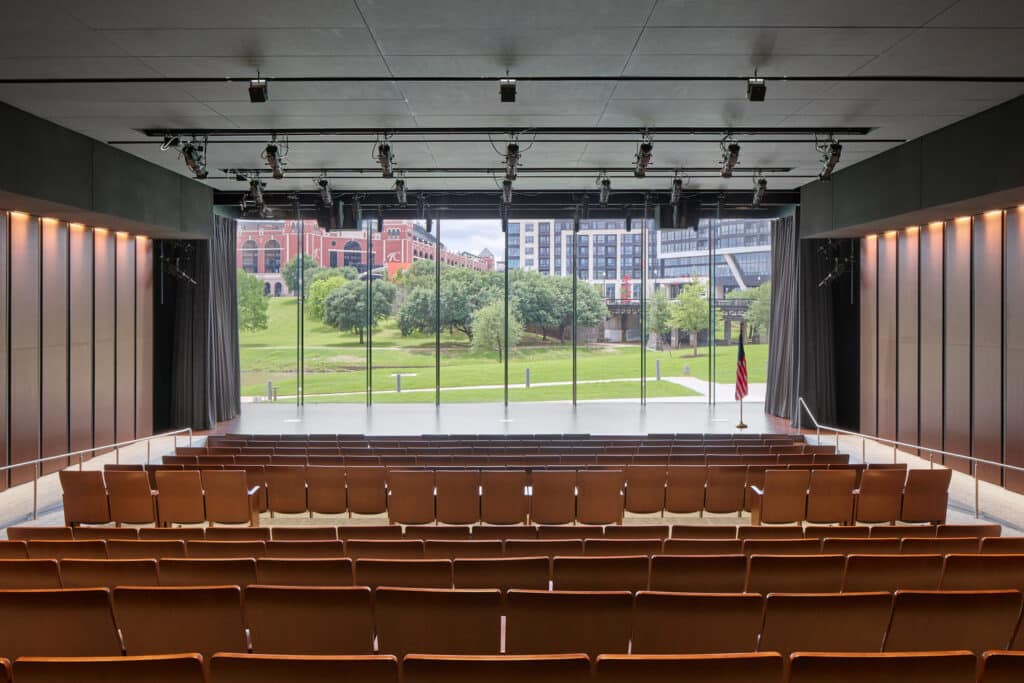
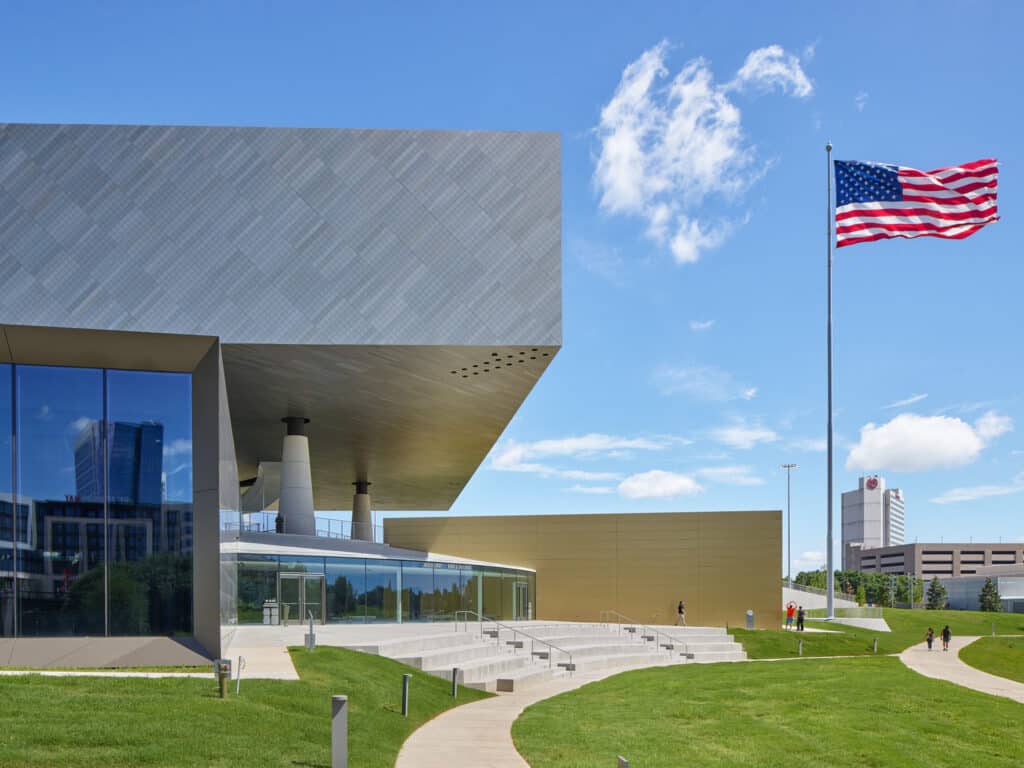
Photo Credit: Halkin | Mason Photography
Engineering Behind a Landmark
Designed by Rafael Viñoly Architects, the museum is defined by a 200-by-200-foot exhibition hall elevated 50 feet above the ground, creating the appearance that the massive structure is floating above the landscape. Bringing that bold architectural vision to life required equally thoughtful engineering at ground level.
The site, previously home to a little league ballpark, had to be transformed to accommodate the museum and its infrastructure. Multiple levels and retaining structures created a complex grading puzzle, requiring roads, parking, utilities, and drainage to work together across changing elevations.
Graham’s work began with plans to demolish the existing ballpark and relocate a major electric duct bank. The team prepared construction plans for grading, roads, parking, lighting, utility service, and drainage, while coordinating those systems with the museum’s unconventional design.
One of the most significant challenges involved Mark Holtz Lake and the surrounding floodplain. Through hydrologic and hydraulic modeling, the team modified site grading and removed more than an acre of existing parking. Combined with green roof systems designed to filter and manage stormwater, these strategies helped the project achieve a net-zero increase in impervious runoff while improving floodplain conditions.
The project also uses water from Mark Holtz Lake for landscape irrigation, reducing the need for treated domestic water.
Bringing the Pieces Together
Solving individual engineering challenges was only part of Graham’s role. The team coordinated with private utility companies and the City of Arlington on behalf of the design team and helped guide the project through the municipal approval process.
That coordination helped bring architecture, infrastructure, utilities, landscape, and public spaces together as one cohesive site. Much of the civil engineering is nearly invisible to museum visitors, but it helped make possible a park-like campus with open space, pedestrian connections, gathering areas, and access to the lake.
Completed on schedule and within the project’s budget, the National Medal of Honor Museum opened in March 2025. The Texas OCEA Award recognizes the engineering and collaboration behind a landmark designed not only for Arlington and Texas, but as a place where people from across the country can encounter stories of courage, service, and sacrifice for generations to come.