
Our Values Provide the Framework to Live Out Our Mission and Vision

Mission (Why We Exist)

BUILDING COMMUNITY by creating inventive, relevant built environments together.

Vision (What We Imagine)

To ENHANCE LIVES and INSPIRE PEOPLE in the communities we build.

See How Our Values Transform Communities
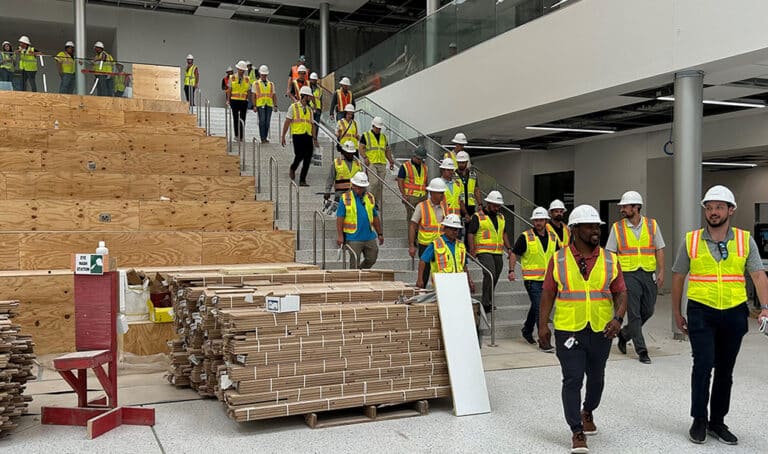
“At Parkhill, people are at the heart of everything we do. Our success is built on the dedication, leadership, and values of those who bring our mission to life every day. “

Jay Edwards, PE

President
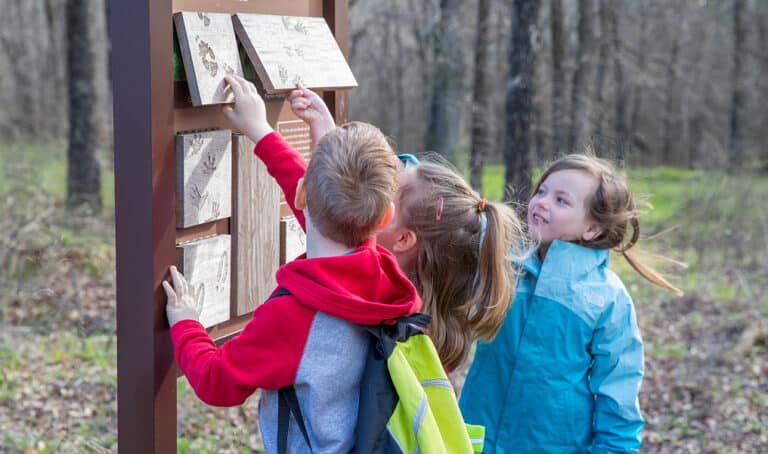
Habitat for Humanity

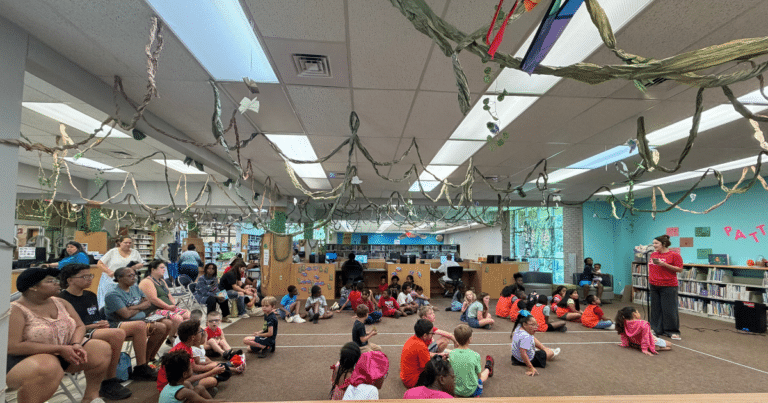
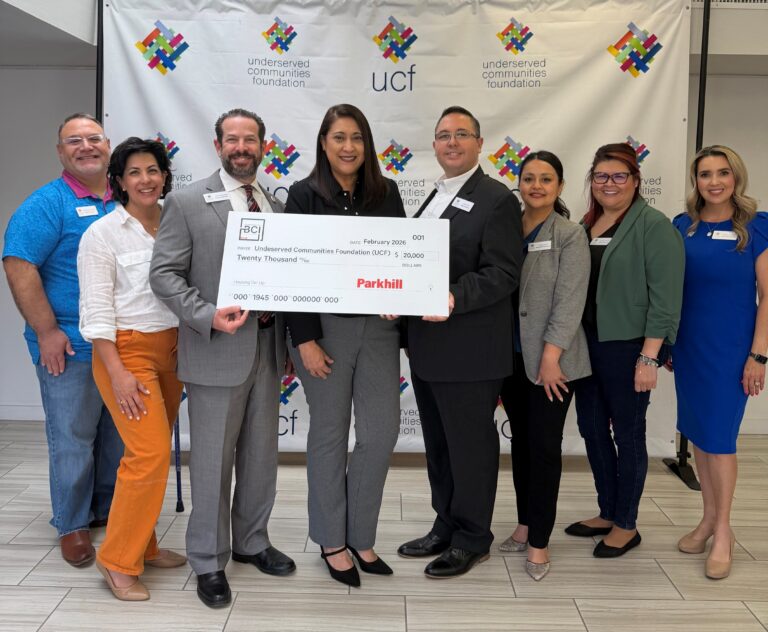
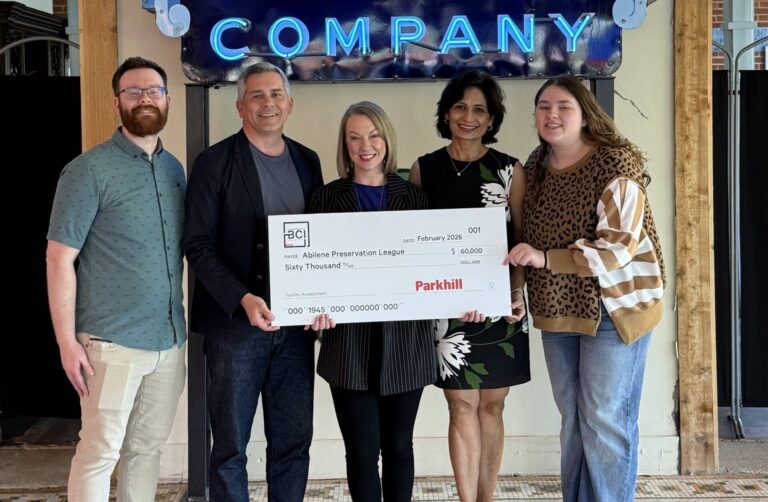
Giving Back
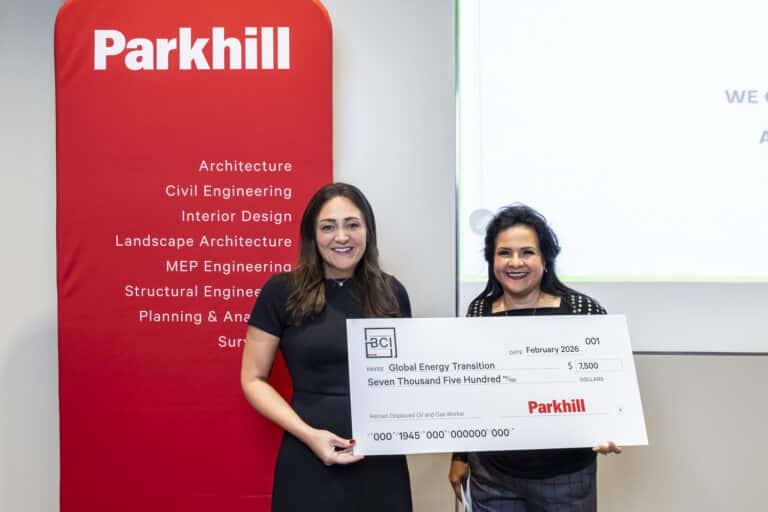
With Gratitude

We are creating positive change in the communities we serve through the Building Community Investment (BCI). By contributing time, resources, and skills, our employees are making a difference in the lives of the people who need it the most.

Learn About BCI

Designing a Greener,
More Resilient Tomorrow

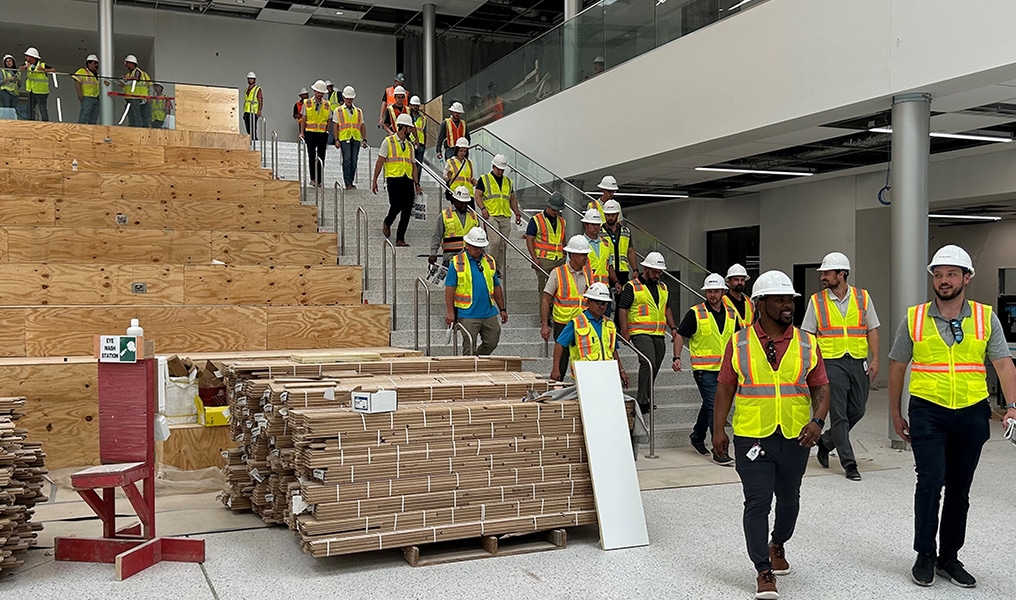
Parkhill is a proud signatory of the AIA 2030 Commitment. As a multidisciplinary firm, we have the unique opportunity to find sustainable solutions that extend beyond individual projects into engagement, advocacy, and urban planning. 

See Our Commitment

A History of Building Community 

In 1945, three consulting engineers embarked on a mission to revitalize their communities in a post-World War II economy. Their mission still stands true to this day.

Learn More

Related Insights

Frequently Asked Questions

About Parkhill

Parkhill is a multidisciplinary architecture, engineering, and planning firm that provides design and consulting services for public and private sector clients. The firm offers integrated solutions across architecture, civil engineering, structural engineering, MEP engineering, landscape architecture, planning, and infrastructure design.

Parkhill serves a wide range of markets, including education, healthcare, transportation, water, civic, commercial, and community development.

Parkhill takes an integrated, collaborative approach to design. Instead of siloed disciplines, architects, engineers, and planners work together from the beginning of a project to create coordinated, efficient, and cost-effective solutions.

The firm emphasizes long-term client partnerships, context-driven design, technical excellence, and community impact. This approach helps reduce risk, improve communication, and streamline project delivery.

Parkhill works on projects across multiple sectors, including K-12 and higher education facilities, municipal and civic buildings, water and wastewater infrastructure, transportation and aviation facilities, healthcare facilities, commercial developments, and community recreation spaces.

The firm supports both vertical building projects and horizontal infrastructure initiatives.

Architecture, Engineering, and Planning

Architecture focuses on the design, function, aesthetics, and user experience of buildings and spaces. Engineering ensures that designs are structurally sound, mechanically functional, energy efficient, and compliant with codes.

Architects shape the vision and layout, while engineers design the structural, civil, electrical, and mechanical systems that make the project safe and operational.

A civil engineering firm designs and oversees infrastructure systems that support communities. This includes roadways, water and wastewater infrastructure, drainage systems, stormwater management, site development, and public works projects.

Civil engineers ensure infrastructure is safe, sustainable, and compliant with regulations.

MEP stands for mechanical, electrical, and plumbing engineering. MEP engineers design the systems that make buildings functional and comfortable, including HVAC systems, lighting, power distribution, plumbing systems, and fire protection systems.

MEP engineering ensures buildings operate efficiently and meet safety standards.

A multidisciplinary firm brings multiple disciplines together under one contract, improving communication and reducing coordination conflicts.

Integrated teams identify potential challenges early in the design process, helping reduce costly change orders and construction delays.

Site development involves preparing land for construction, including grading, drainage design, utility planning, stormwater management, road access design, and environmental considerations.

Proper site development ensures projects are buildable, compliant, and sustainable.

Infrastructure design refers to planning and engineering the systems that support communities, including water systems, transportation networks, drainage systems, and public utilities.

These projects require coordination between engineers, planners, and public agencies to ensure long-term functionality and resilience.

Working With Parkhill

To get started, contact Parkhill through the website or by phone to discuss your project goals. A team member will help determine the appropriate services and guide you through the next steps.

Early discussions help define scope, budget expectations, and timelines.

Yes. Parkhill partners with municipalities, school districts, healthcare providers, developers, private businesses, and community organizations.

The firm understands both public procurement processes and private development workflows.

Parkhill uses collaborative design processes and multidisciplinary coordination to ensure quality control.

In-house architects and engineers work together throughout each phase to reduce conflicts and improve constructability.

You can request a proposal by contacting Parkhill through the website or by phone. Provide basic information about your project type, goals, and timeline, and a team member will follow up to discuss next steps.