

Q&A With Victoria Gerber: Career Insights and Inspiring Young Women to Explore Engineering
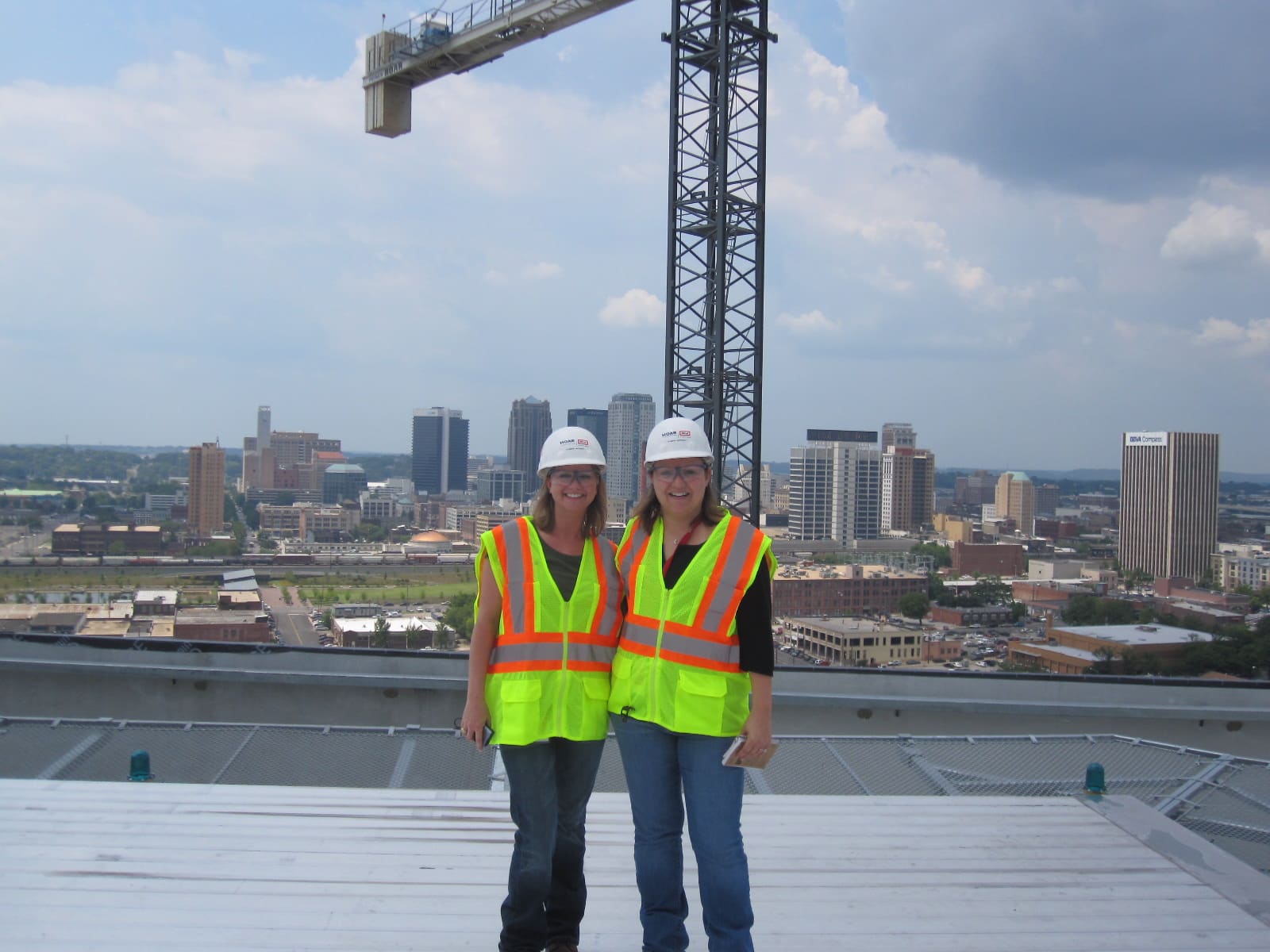
Victoria Gerber, PE, is a Senior Practice Leader in Parkhill’s Solid Waste & Environmental Sector. Victoria began her career with unique experience, including internships at NASA’s Johnson Space Center and in corporate health, safety, and environment (HSE) roles. After earning her degree from Texas Tech, she returned to Houston to work in water and wastewater consulting before moving into corporate HSE positions, where she contributed to sustainability initiatives, environmental compliance, and gained international experience. Victoria’s career took her many places across the US and the world, including British Columbia, London, Nigeria, Alabama, Oklahoma, and Alaska.
Victoria later held leadership roles in the oil and gas industry, managing environmental compliance, procedures, and auditing for both offshore and onshore operations. After taking some time away from work, she recently joined Parkhill to help expand the firm’s oil and gas services and grow the Houston office, drawn by the company’s supportive leadership and collaborative culture.
In 2024, the Magazine of the Society of Women Engineers in 2024 reported that women make up only 28% of the science and engineering workforce. In the following Q&A, Victoria discusses the value of having diverse voices on a project team, the experiences she shares with young women, including her daughters, to encourage them to pursue their dreams, and what continues to inspire her in her career.
The theme for this year’s Engineers Week is “Transform Your Future.” What advice would you give to young women considering a future in engineering?
I think it’s always helpful to have a science degree and an engineering degree. It teaches you a way of thinking and problem-solving. Even in your career, if you don’t pursue a job or position at an engineering firm, those skills translate.
Right now, I’m doing mostly business development and not doing much engineering. Those skills can be transferred, and a lot of times having an engineering degree is viewed as high value, so you can use that degree to leverage many different professions.
When did you become interested in engineering?
My dad is a chemical engineer, and back when I was in middle school, they had a go-to-work-with-your-parent day. My dad worked at KBR, Kellogg Brown & Root, as a project manager, and I went to work with him. When he was employed there, I met a female vice president who was an environmental engineer, and so I decided that day that I wanted to go into environmental engineering.
How do you think that the presence of women in engineering benefits projects in the industry as a whole?
I’ve been at different domestic and international organizations, so I think women give different perspectives. Sometimes we can be more collaborative than our counterparts or look at things a little bit differently. It’s good to have a diverse team with different perspectives and educations. If you have a lot of people that are all the same on a project team, sometimes you miss things.
Being a mother brings a different perspective as well. I see that as a benefit. Having children helps you with your negotiation, conflict resolution, patience, boundary setting, and adaptability skills. There are a lot of skills that you have to use with your kids that can translate to the professional world and vice versa.
How do your daughters inspire your career?
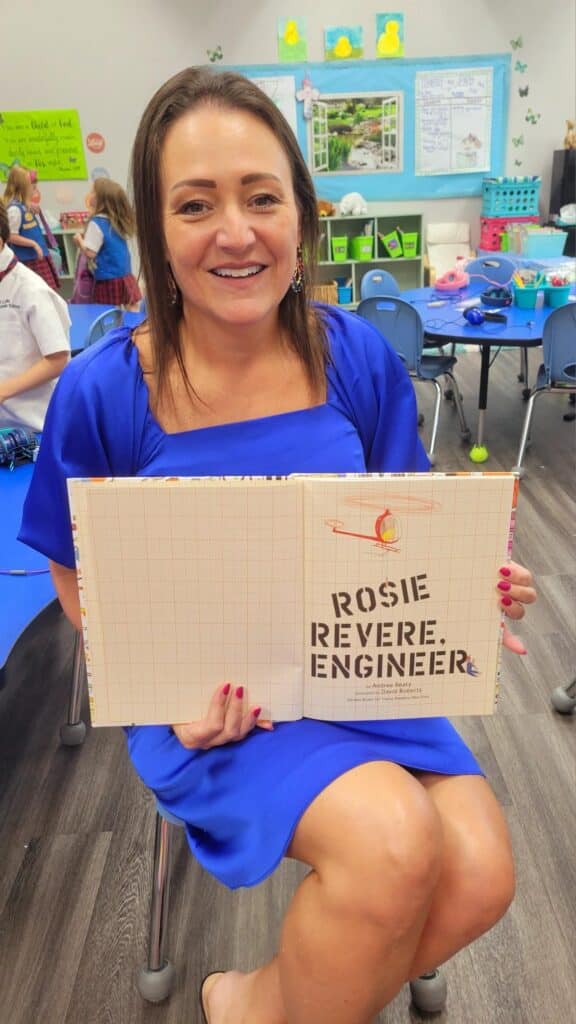
I always try to ask them if they’re interested in engineering. It’s hard to explain to kids what engineers do. So, I talk about saving the planet. They know what a trash man is, and they come pick up the trash. I explain that environmental engineers are involved in trash disposal, and our team does landfill design. I discussed with them that I helped design water plants and water wells that are part of the water that comes out of our faucets.
And well, with oil and gas companies, a lot of people think they pollute everything, and I can tell them, ‘Well, I’m someone who makes sure that they don’t pollute the earth and protect the environment.’ I think kids these days think those types of things are important.
What are some of the ways that you’ve shared your career with girls and young women interested in pursuing a career in engineering?
Sometimes, there’ll be a coworker that has a daughter that is about to go to college, and they’re exploring what degree or what path they want to take. I’ve taken that opportunity to meet with my friend’s daughters. I still have some of my books from college, and I show them examples of what environmental engineers do.
I did end up being in a sorority and that was really frowned on in the engineering department. I still think it’s good for women to have those social skills and have friends outside of the engineering world, and so I saw that has a benefit.
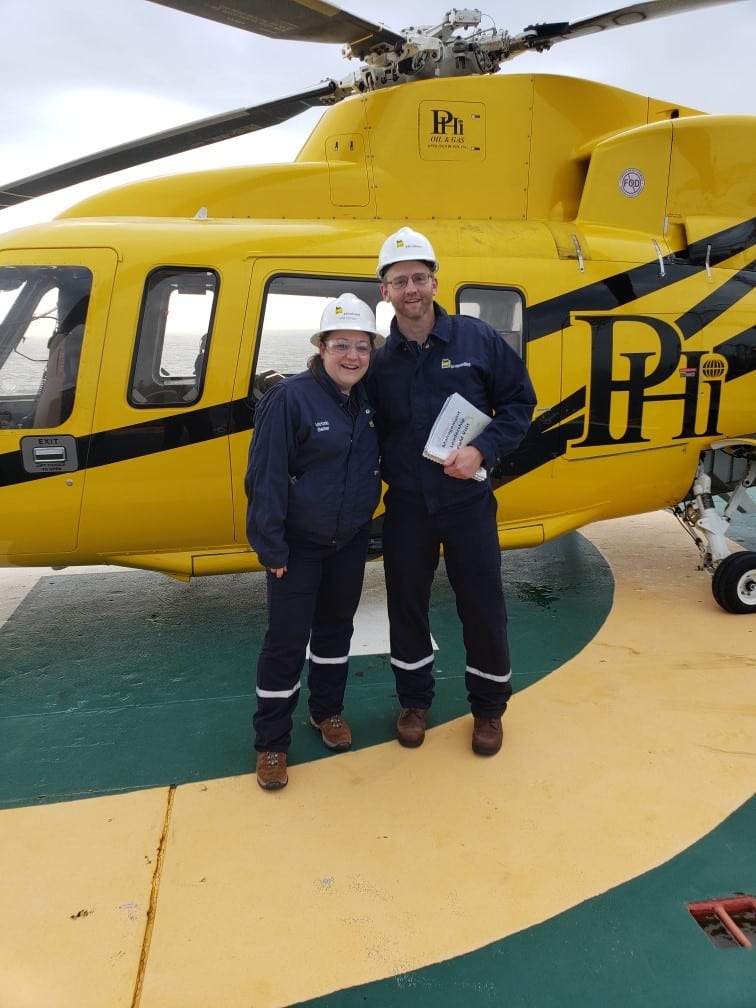
And to tell my daughters about traveling on a helicopter to go offshore to a platform — my daughter says, ‘Oh my mommy’s job is to go on helicopters!’ I say, ‘Well, that’s not my job. That’s just a part of it.’ Telling those stories and sharing pictures gets them excited about engineering.
With your innovative role at Parkhill, what do you see the future of your career looking like in business development within the Solid Waste & Environmental Team?
It’s really interesting, because with this position, I’m able to merge my early consulting experience with water and wastewater — along with those contacts and those clients, even though I hadn’t touched them in quite some time — with my corporate HSE experience into this new position. I really enjoy networking and participate in a non-profit Board. I did a lot of volunteering and networking when I was off.
I look at it as now I get to do the things that I love, and I get to do that for my job. The intent is to grow an environmental practice here in Houston and expand to oil and gas clients, but I’m excited that I’m able to use my network in other areas to support Parkhill as well.
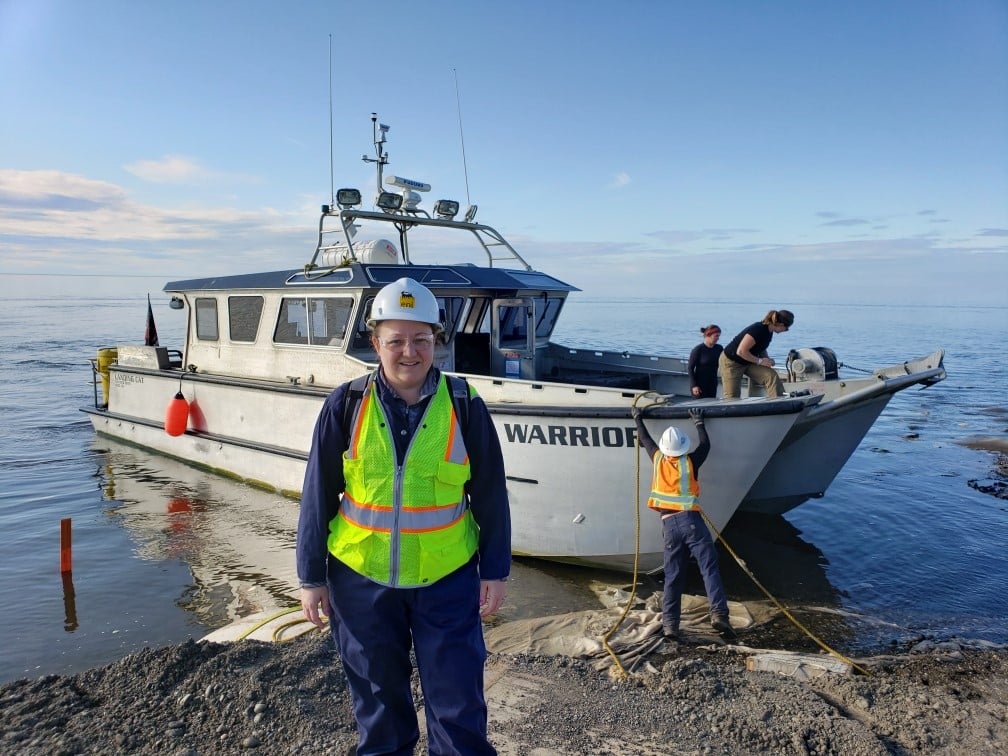 Victoria’s career took her many places across the US and the world, including British Columbia, London, Nigeria, Alabama, Oklahoma, and Alaska (pictured here).
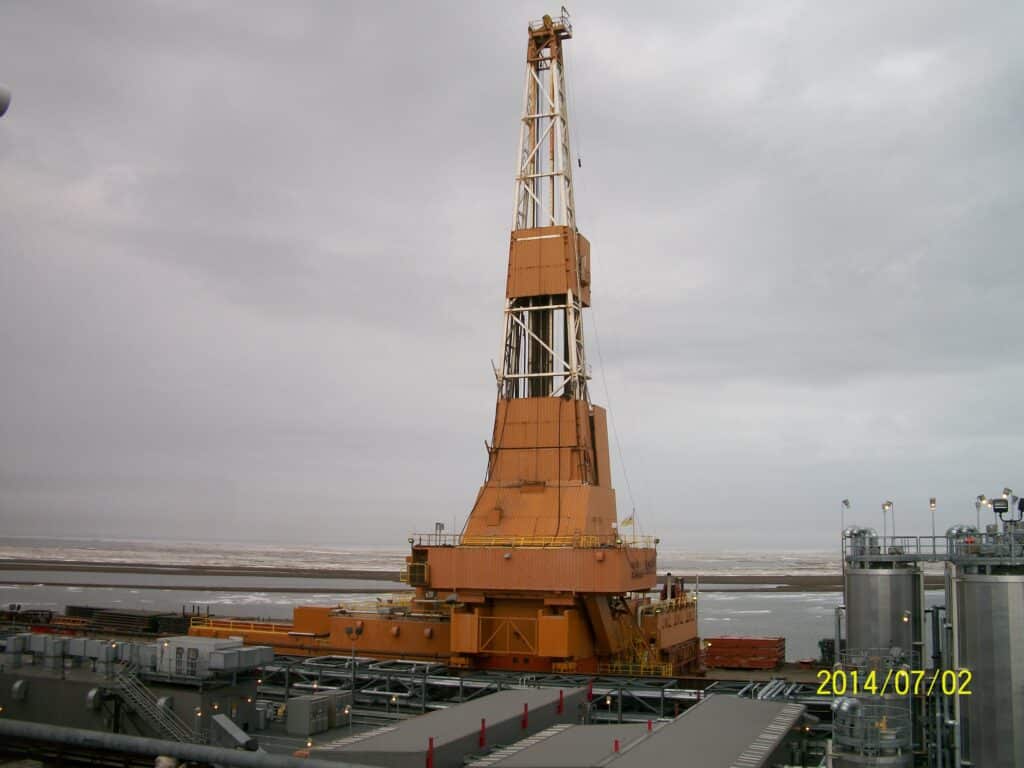 She is passionate about operating responsibly in relation to the natural environment and uses that to explain to students how important engineers are (pictured, North Slope Alaska Rig on Nikaitchuq Drill Island).
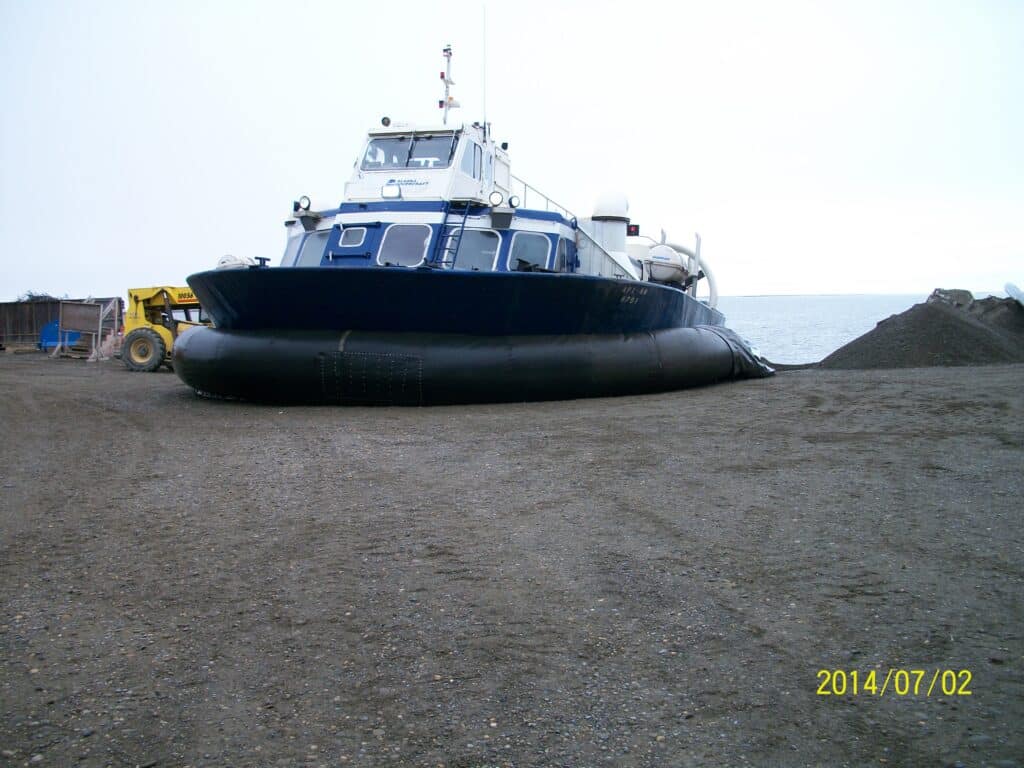 Hovercrafts like this one provide transportation services to remote drill sites in Alaska.
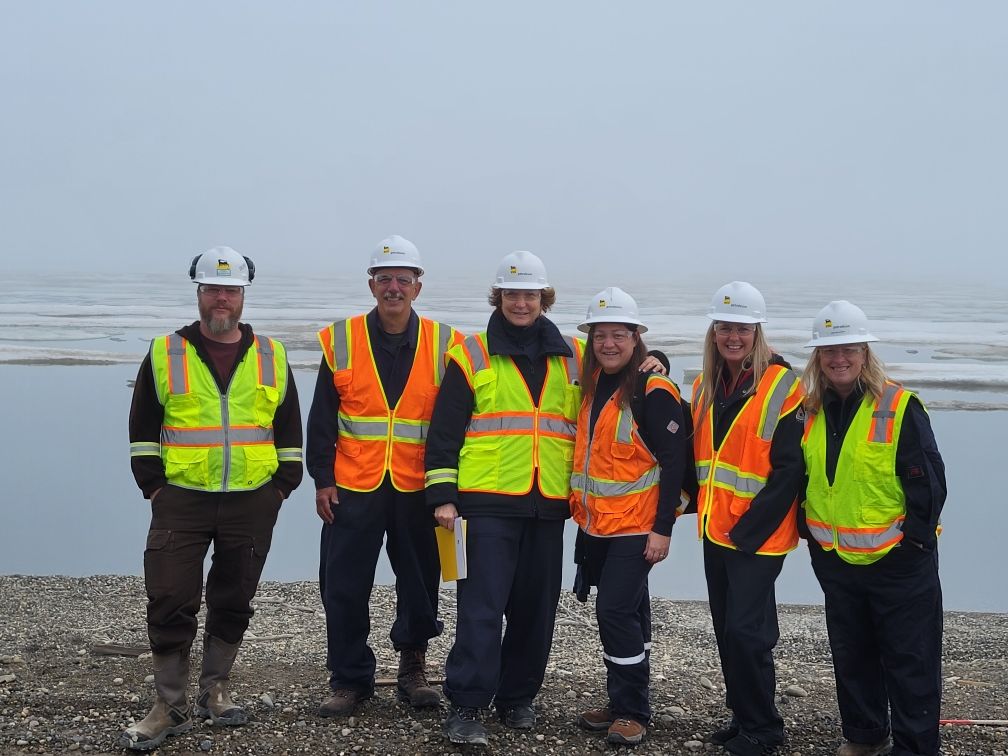 This group during a biodiversity site visit in at Spy Island Drill Site in North Slope Alaska demonstrates a commitment to responsible operations & respect for the habitats and species in the area over a project’s life cycle.
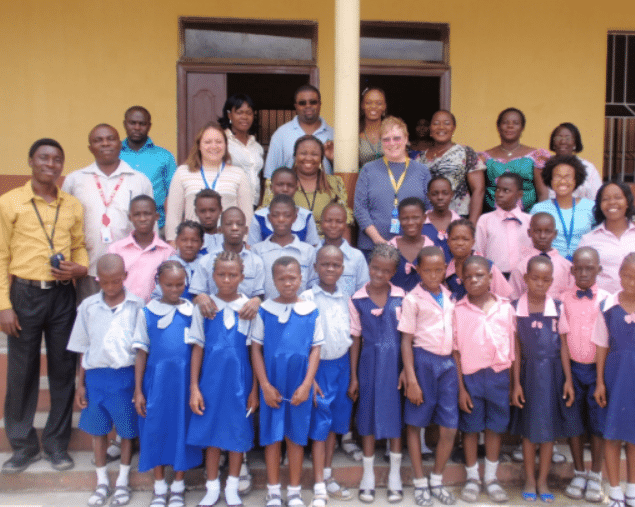 During a site visit in Nigeria, Victoria visited a school in Warri.
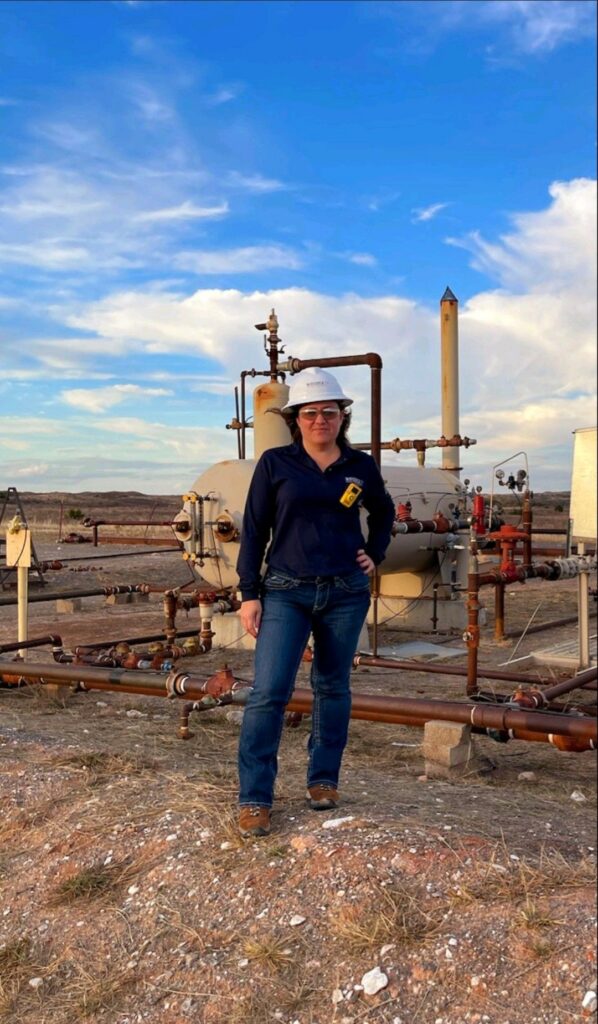 Victoria said that women in engineering contribute diverse perspectives and educations, creating a more comprehensive and successful team.