

Eight Texas Counties Secure THC Grants for Courthouse Preservation
On July 31, the Texas Historical Commission (THC) announced $96 million in courthouse preservation grants, and 25 Texas counties saw years of planning and persistence pay off. Eight of those counties — Bee, Castro, Clay, Delta, Fayette, Kleberg, Refugio, and Van Zandt — secured $40.7 million with guidance from members of Parkhill’s historic preservation team.
For county judges and commissioners, securing Texas Historic Courthouse Preservation Program (THCPP) Round XIV funding means far more than reaching a milestone. It marks the next chapter in a journey that began years before the funding applications were submitted. For each successful application, there were months of planning, research, building assessments, and commitment to preserving one of the community’s most important public buildings: its courthouse.
Parkhill’s New Historic Preservation Team’s Role
Parkhill’s historic preservation team, formerly with Komatsu Architecture, has worked with Texas counties since the THCPP began in the late 1990s. From the beginning, the team has helped county leaders understand their courthouses, prepare preservation master plans, and develop grant applications that methodically communicate each structure’s needs and long-term vision.
“The biggest challenge is attitude,” said Parkhill Historic Project Manager Group Lead Marie Oehlerking-Read. “Something that once felt impossible suddenly feels achievable.”
For Texas counties, that shift begins long before funding arrives. County leaders know what their courthouse means to their community, but restoring a historic building takes careful planning, technical insight, and patience.
Preservation master plans document existing conditions, identify structural priorities, and create a road map that allows counties to compete for funding while protecting the architect’s original vision and intent, preserving the character of buildings that have served as cornerstones of their communities for more than a century.
What Influences a Courthouse Restoration
Historic courthouses function as the center of county government while sustaining decades of deferred maintenance, aging building systems, and the effects of changing construction practices. Without thoughtful preservation, those challenges can impact a building’s ability to remain in public service.
Every restoration brings together preservation architects, engineers, architectural historians, conservators, and county leaders to understand both the building’s history and its future. Along the way, discoveries often influence the work.
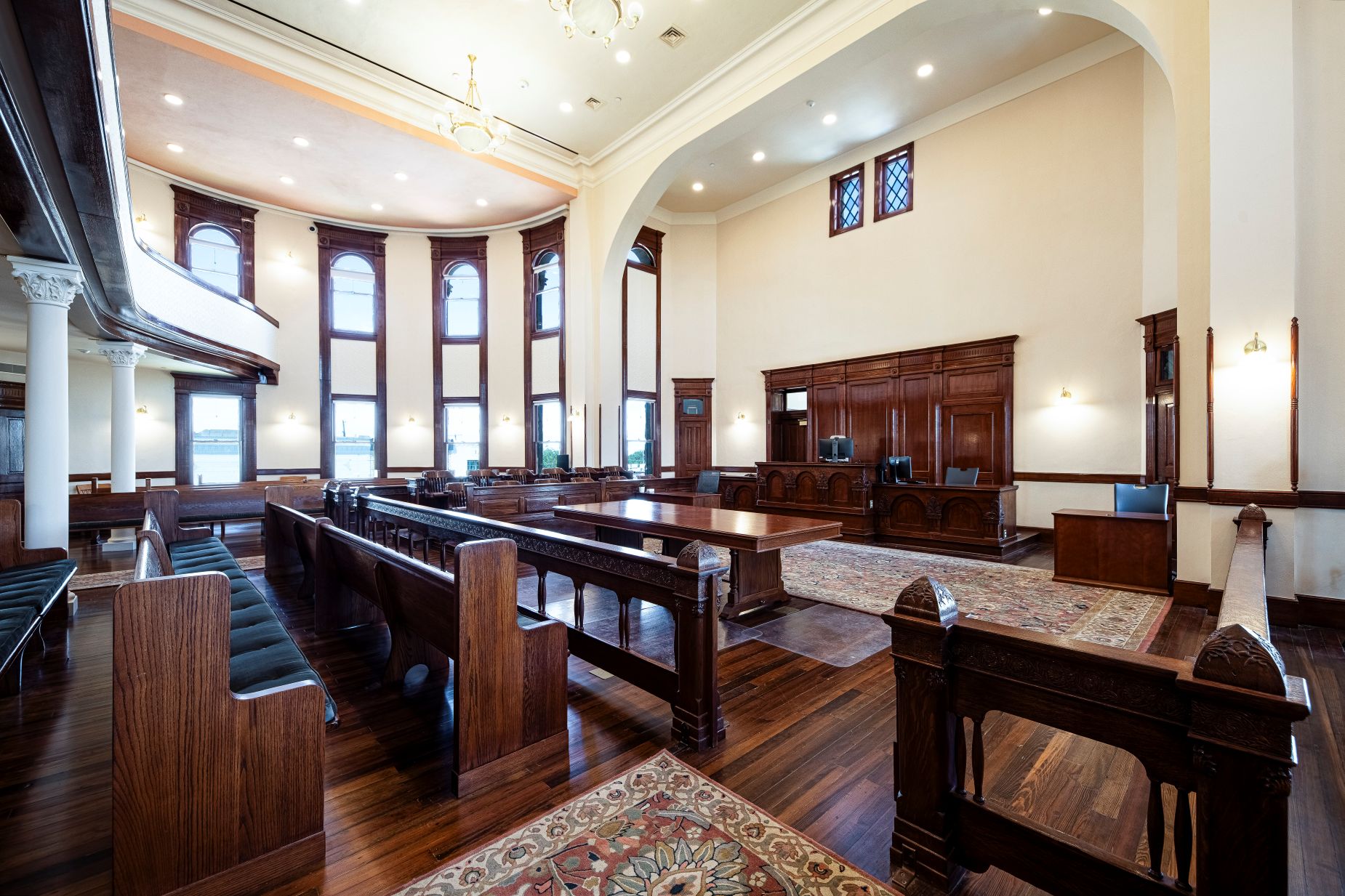
The Wise County Courthouse offers one example of that transformation. During this restoration, the team uncovered a long-lost architectural detail: a removed arch above the district judge’s bench. Instructions to remove the 1890s arch appeared in remodeling plans from the 1960s. The finding revealed architect James Riely Gordon’s original design intent and changed the restoration approach, a reminder that preservation is as much about understanding a building’s story as repairing its structure.
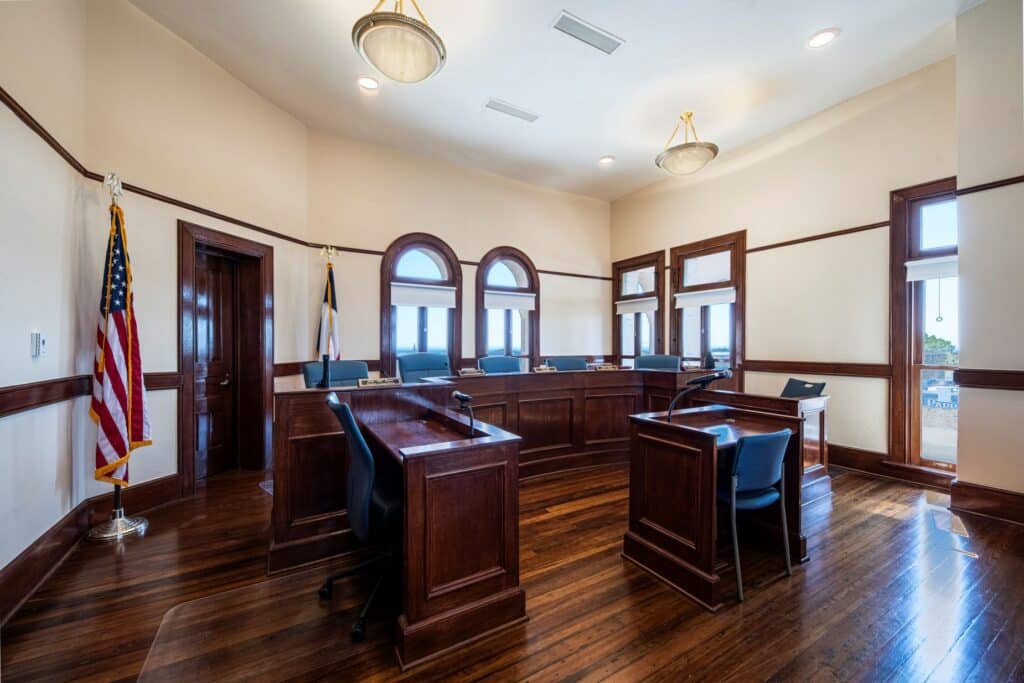
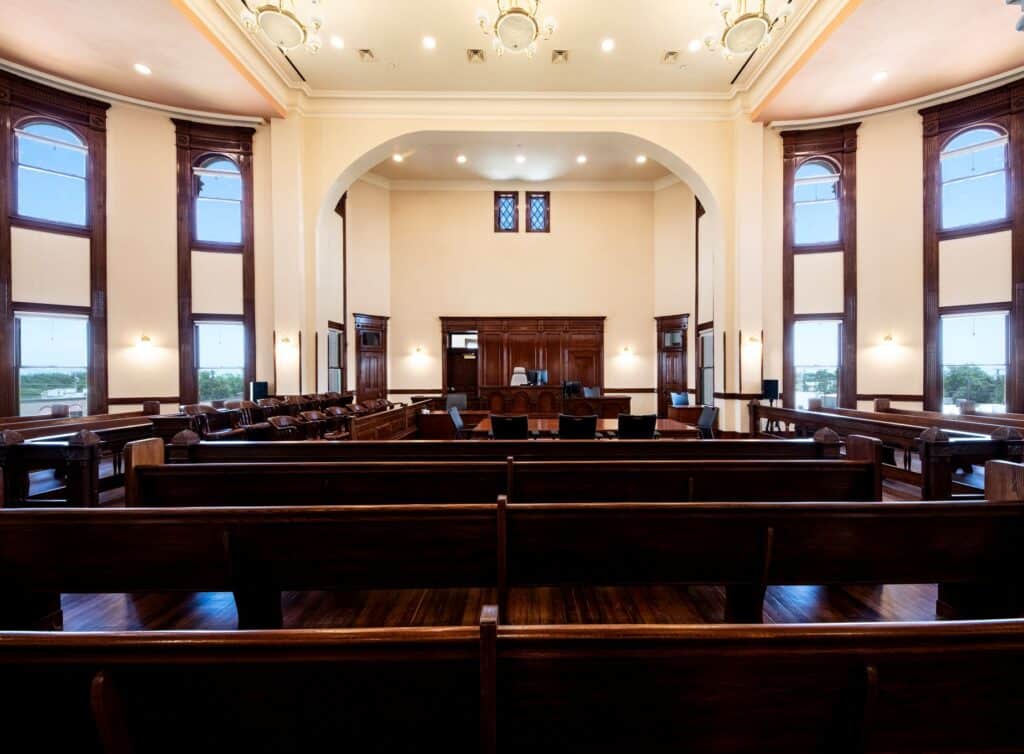 This after image shows the restoration of Wise County (Texas) Courthouse as designed by architect J. Riely Gordon. The renovations restored the ceilings and courtroom to the original 1896 profile.
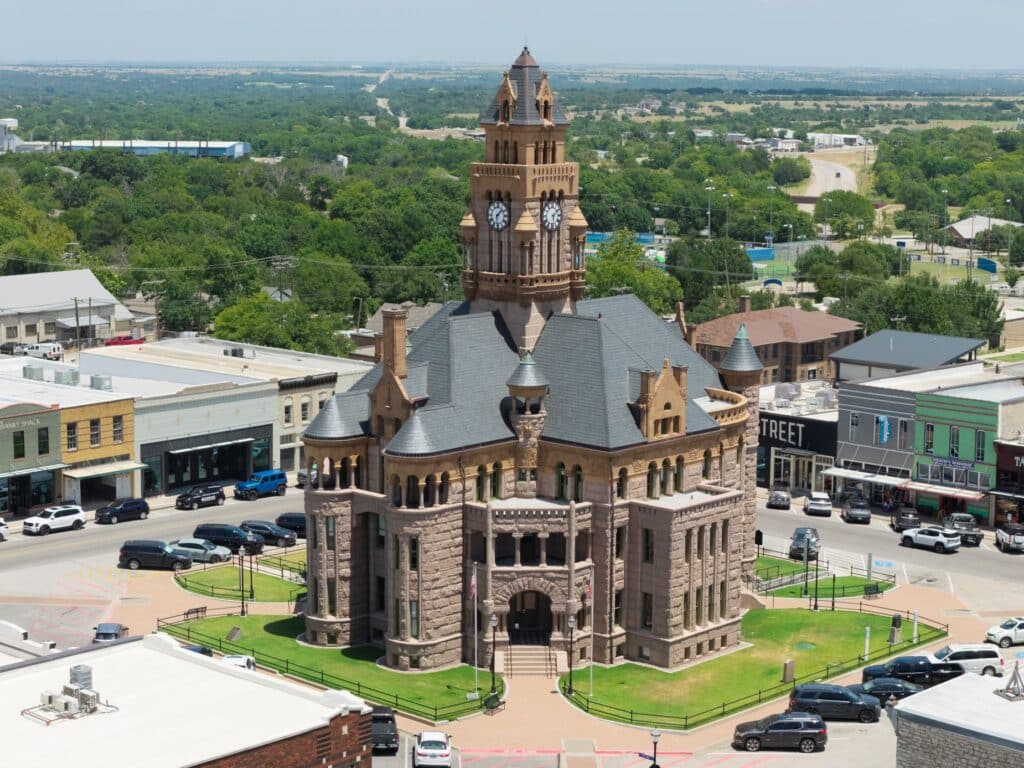 This aerial shows the finished Wise County (Texas) Courthouse Renovation. Texas Historic Courthouse Preservation Program (THCPP) by the Texas Historical Commission (THC) grant funding made the renovations possible.
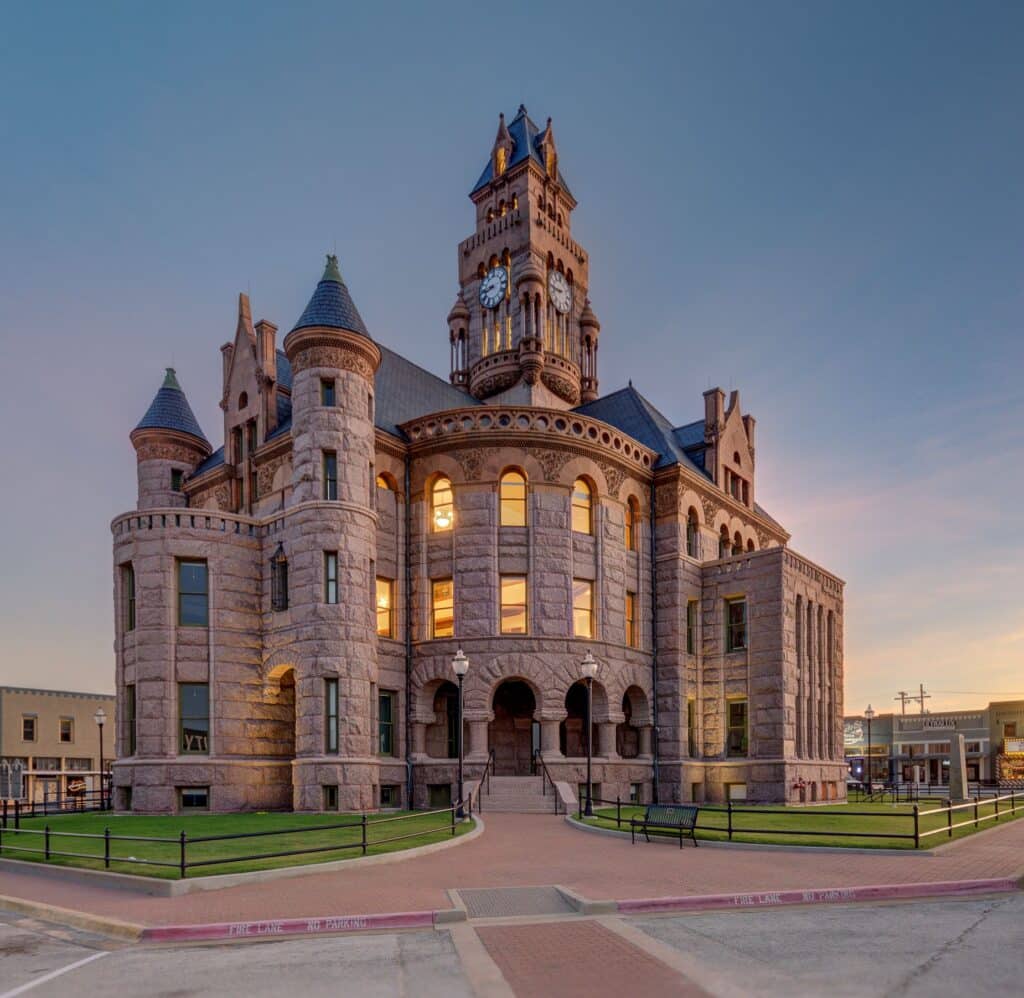
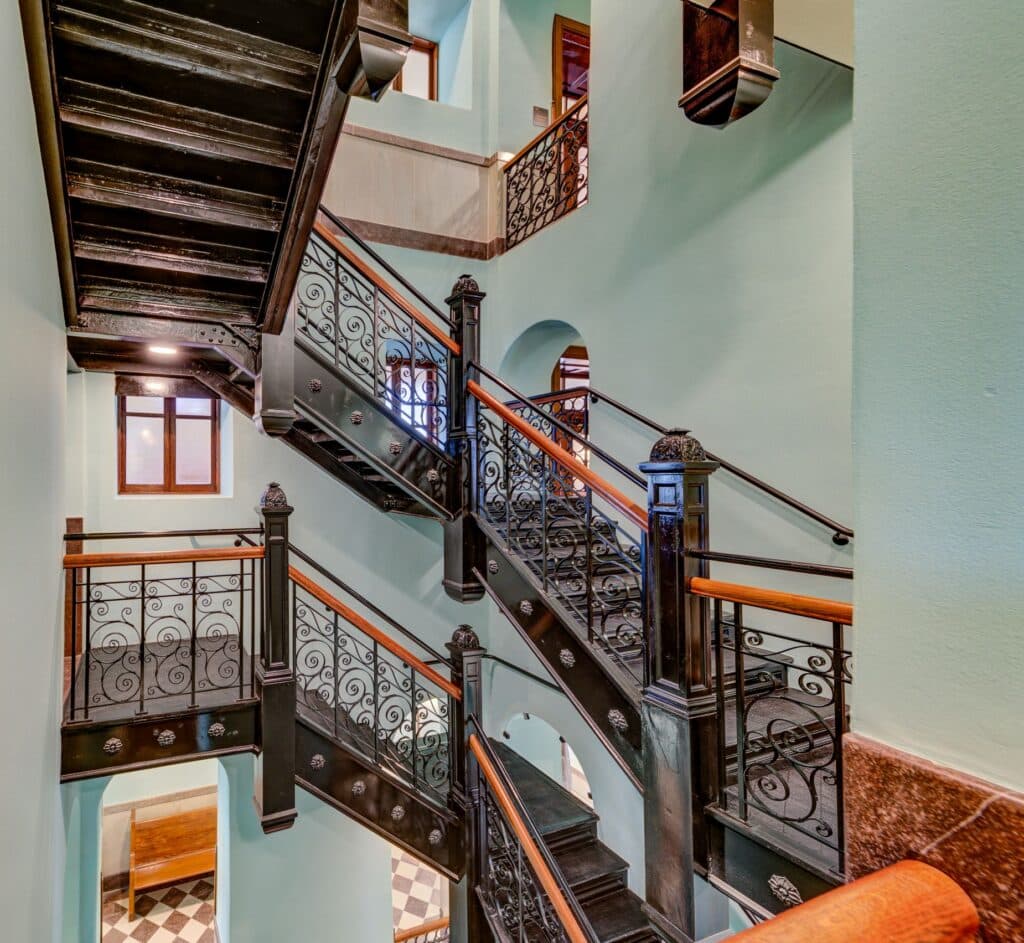
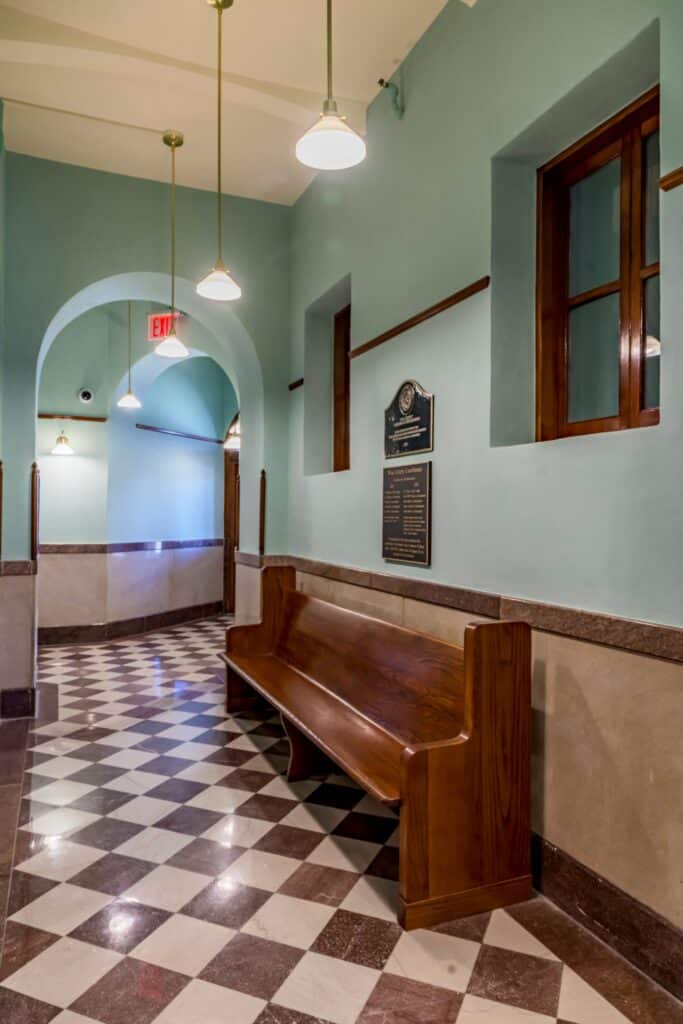
Photo credit: Pro360 Virtual Tours & Photography
“The finding revealed architect James Riely Gordon’s original design intent and changed the restoration approach, a reminder that preservation is as much about understanding a building’s story as repairing its structure.”
According to Parkhill Historic Preservation Coordinator Alaina Gunter, successful projects begin by understanding what makes each courthouse unique, but the work extends beyond architecture.
“Every courthouse has its own story,” Alaina said. “Our job is to understand what makes that building important, document its needs, and help counties tell their story clearly.”
A Courthouse Grant: A Milestone in the Journey
The grant announcement is just the beginning of the journey. Construction documents, technical reviews, careful forensic restoration, and long-term maintenance planning all help ensure these buildings continue serving their communities.
In the years ahead, the eight counties recognized in this grant cycle will have more than restored courthouses. Their judges and commissioners will have delivered safer infrastructure that better meets state compliance requirements, preserved architectural character, and renewed confidence that these landmarks will continue serving their communities as centers of civic life.
Historic courthouses remain places where people conduct business, attend proceedings, and interact with county government. Preserving them means balancing history and character with the accessibility, safety, building systems, and other needs of modern public buildings.
For county leaders, those decisions can span years and multiple terms in office. A grant may provide the funding needed for restoration but reaching that goal requires local investment well before a THC funding application is submitted.
That long-term commitment is part of what makes the preservation work worthwhile for Marie.
“A courthouse is more than a government building,” she said. “It represents a community’s history, identity, and pride. Preserving it means future generations inherit something worth caring for, not a list of problems.”
For the eight counties Parkhill’s historic preservation team helped guide through the funding cycle, there are more miles in this journey than a typical architectural or engineering project. County leaders committed to the work, sought support from their taxpayers, and made the sometimes-difficult decisions necessary to continue to pursue the multiyear preservation goal.
Parkhill’s preservation team helps turn that commitment into momentum so these community landmarks can be used and valued for generations.
“It’s consciously restoring the building and helping the people use it every day,” she said. “Helping counties take care of these courthouses is the best part of what we do.”